The Radical Team
Sandia National Laboratories Partners With Radical AI To Research New Materials for Hydrogen Purification
An AI-powered mission to diversify American energy sources and enable the next chapter of technological development.
The most monumental breakthroughs in tech all start the same way: Someone finds a new material.
The transistor. The jet turbine. The heat shield that gets a spacecraft safely back to Earth. You don't have to know about the materials behind those inventions to know they reshaped the texture of human life and introduced an era of abundance beyond our ancestors’ wildest dreams.
Materials enable every step forward for humanity, but the way they’re being discovered isn’t keeping pace with what’s possible.
In every industry, thousands of the world’s most impressive scientists and engineers have been running into the same wall for decades: The material they need doesn't exist yet, and inventing one takes ten years and a hundred million dollars. We know, because we’ve been those scientists chipping away at labwork drudgery, and we’ve been those engineers forced to work around what exists. Inventing anything new simply takes too long to keep up with our vision of human prosperity.

The most monumental breakthroughs in tech all start the same way: Someone finds a new material.
The transistor. The jet turbine. The heat shield that gets a spacecraft safely back to Earth. You don't have to know about the materials behind those inventions to know they reshaped the texture of human life and introduced an era of abundance beyond our ancestors’ wildest dreams.
Materials enable every step forward for humanity, but the way they’re being discovered isn’t keeping pace with what’s possible.
In every industry, thousands of the world’s most impressive scientists and engineers have been running into the same wall for decades: The material they need doesn't exist yet, and inventing one takes ten years and a hundred million dollars. We know, because we’ve been those scientists chipping away at labwork drudgery, and we’ve been those engineers forced to work around what exists. Inventing anything new simply takes too long to keep up with our vision of human prosperity.

The most monumental breakthroughs in tech all start the same way: Someone finds a new material.
The transistor. The jet turbine. The heat shield that gets a spacecraft safely back to Earth. You don't have to know about the materials behind those inventions to know they reshaped the texture of human life and introduced an era of abundance beyond our ancestors’ wildest dreams.
Materials enable every step forward for humanity, but the way they’re being discovered isn’t keeping pace with what’s possible.
In every industry, thousands of the world’s most impressive scientists and engineers have been running into the same wall for decades: The material they need doesn't exist yet, and inventing one takes ten years and a hundred million dollars. We know, because we’ve been those scientists chipping away at labwork drudgery, and we’ve been those engineers forced to work around what exists. Inventing anything new simply takes too long to keep up with our vision of human prosperity.

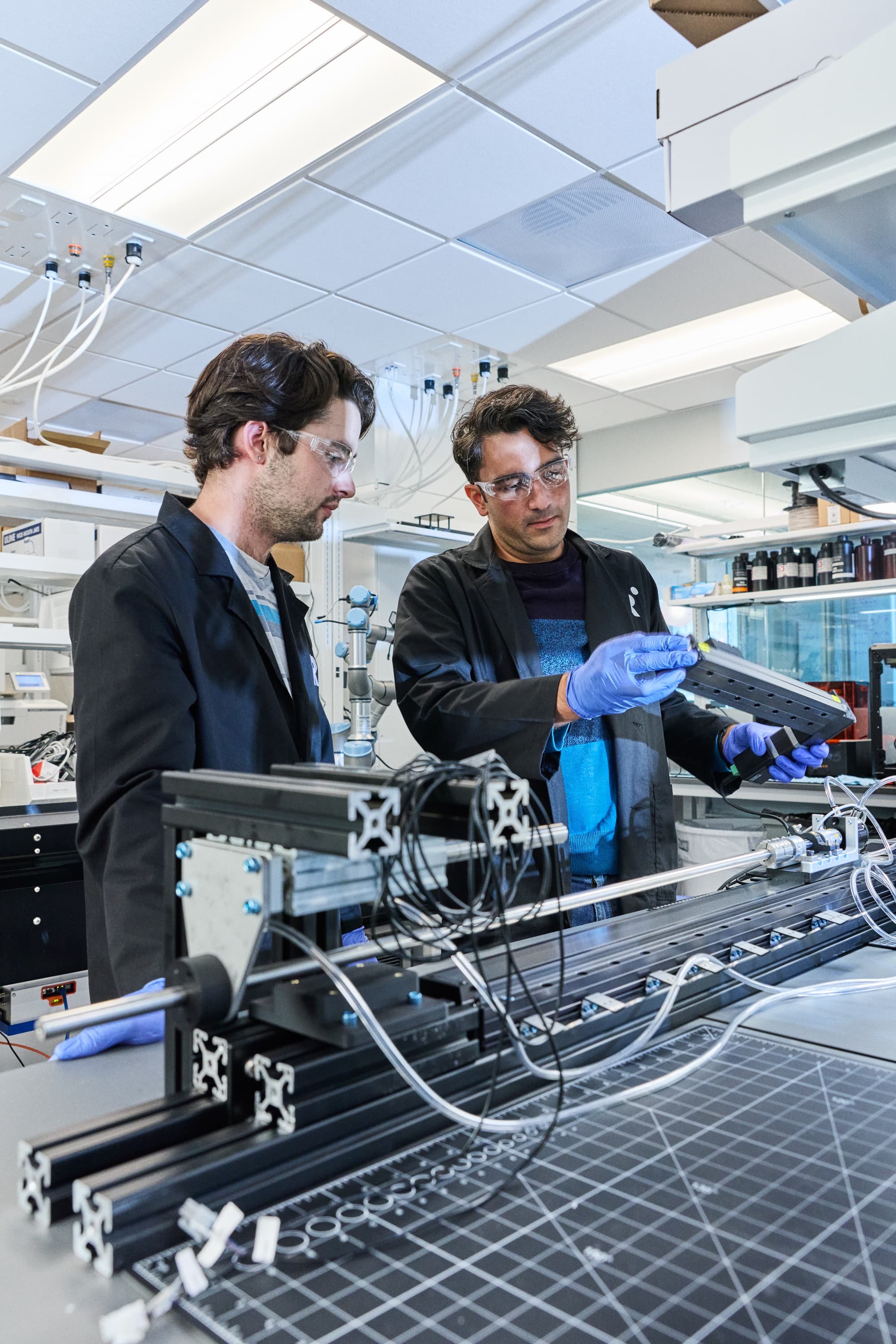
An AI-powered mission to diversify American energy sources and enable the next chapter of technological development.
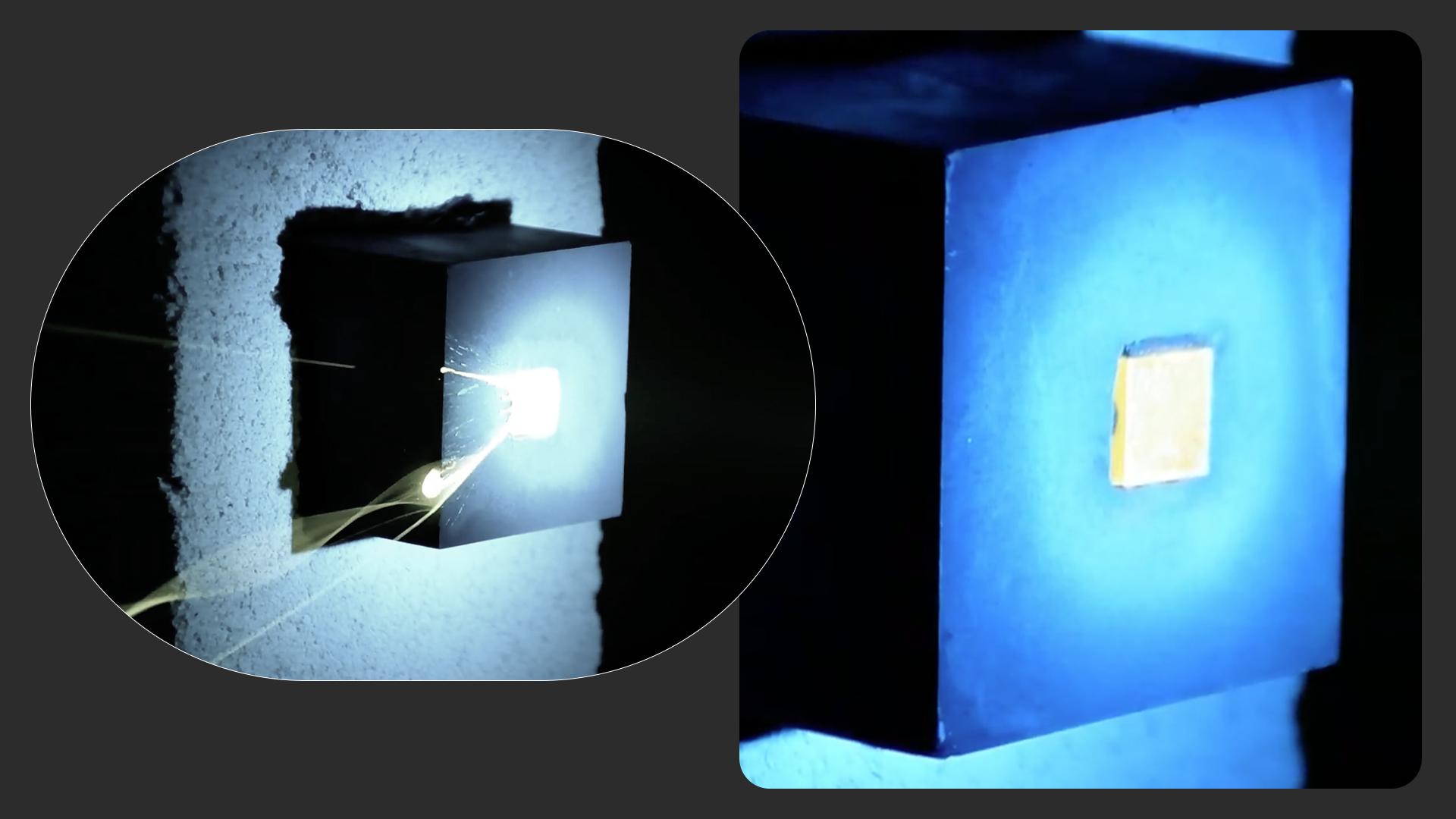
In a head-to-head torch test, Purdue Applied Research Institute saw a 125x increase in environmental survivability compared to industry-leading aerospace material C103.
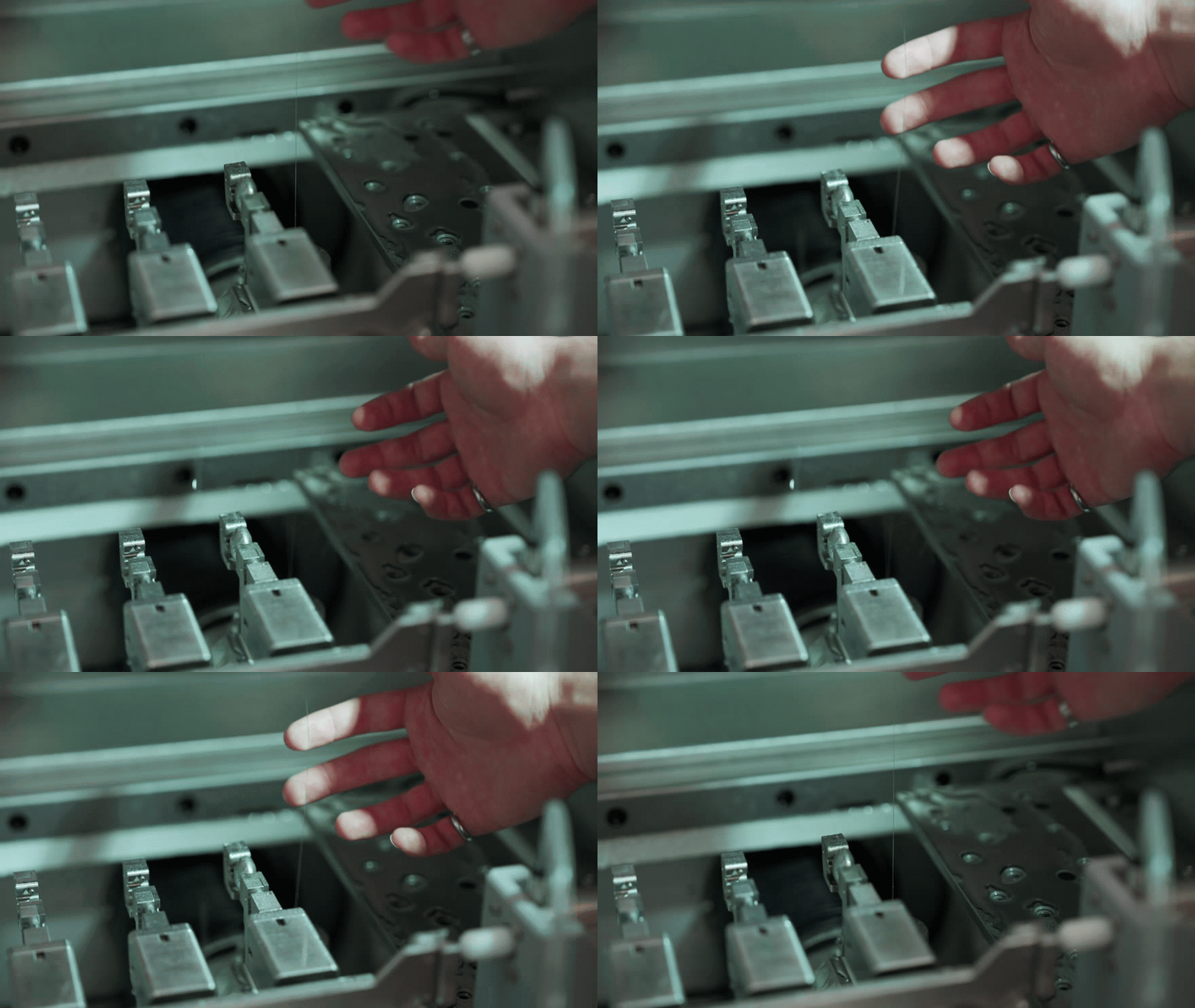
An inside look at a one-of-one machine.