Aug 26, 2026


Breaking the Bottleneck: Radical AI Automated Sample Prep with Makino
An inside look at a one-of-one machine.
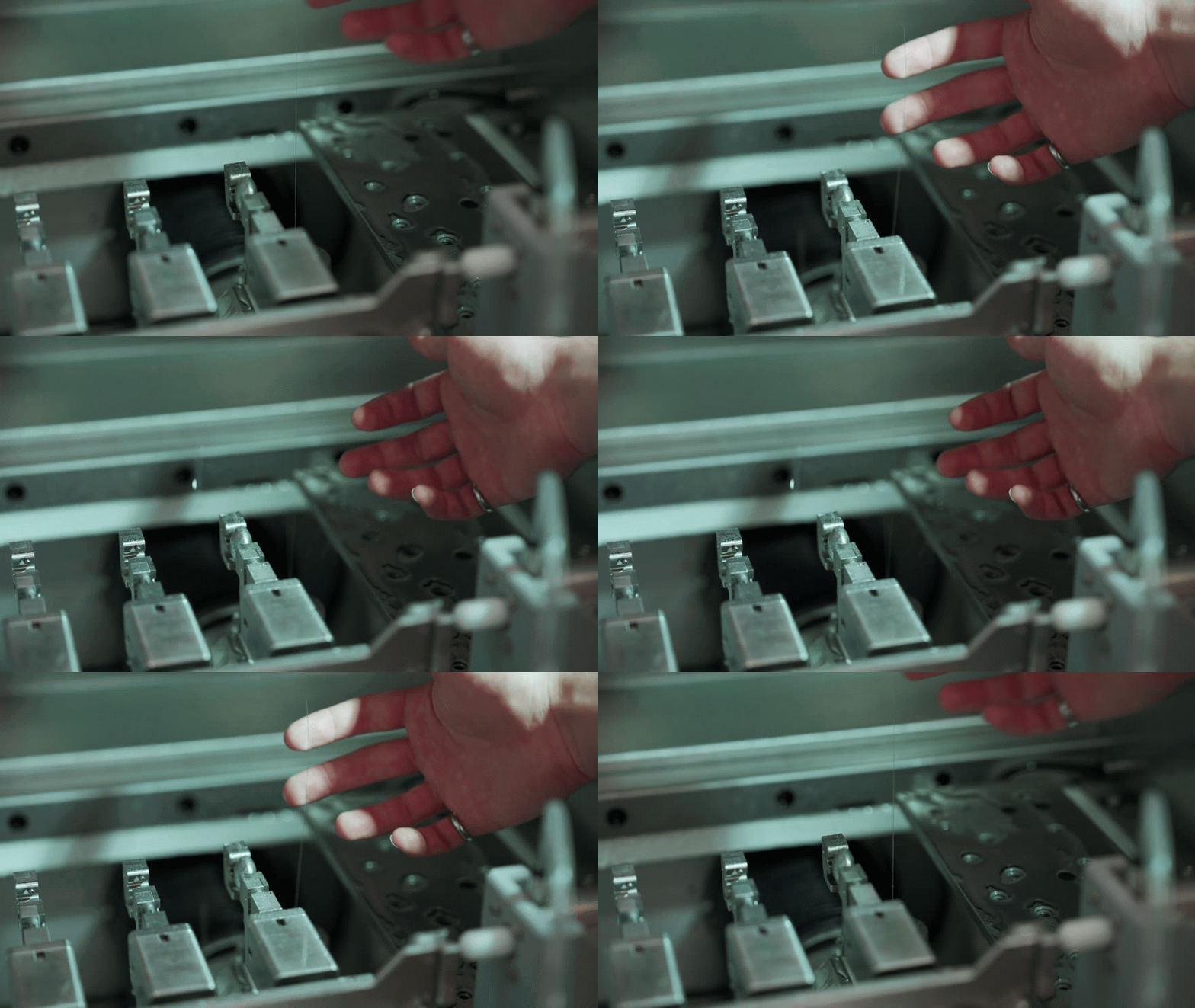
Radical AI has developed a first-of-its-kind tool to accelerate one of the most time-consuming parts of material discovery: sample preparation.
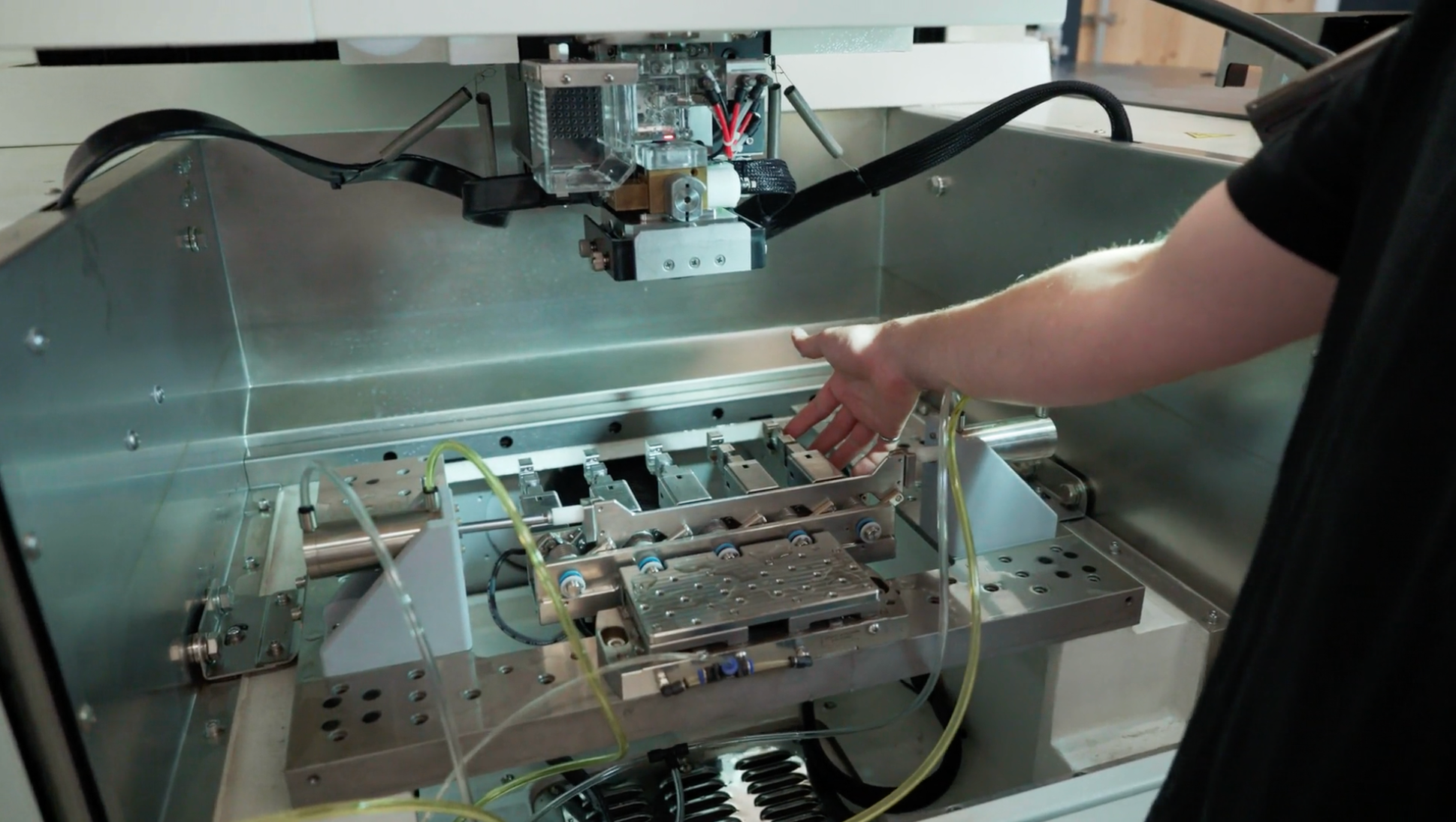
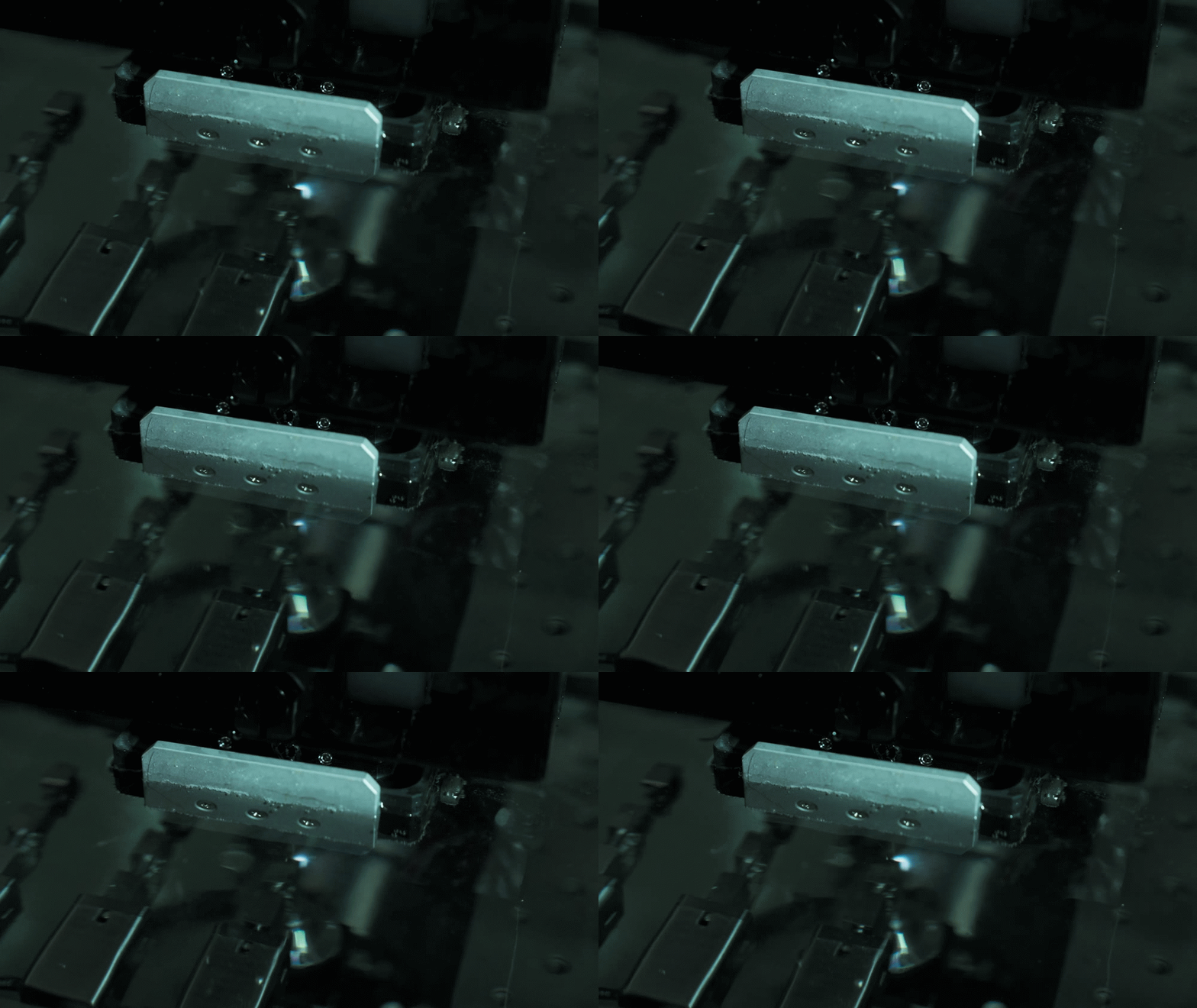
Radical partnered with Makino to build a custom tool to enable a high-throughput sample preparation process. The Radical team's fixture means the process can be fully automated—and scientists can spend more time on discovery.
The partnership came together in only a few months, proving what’s possible when two companies don’t accept the limitations of current lab machinery.
The Problem
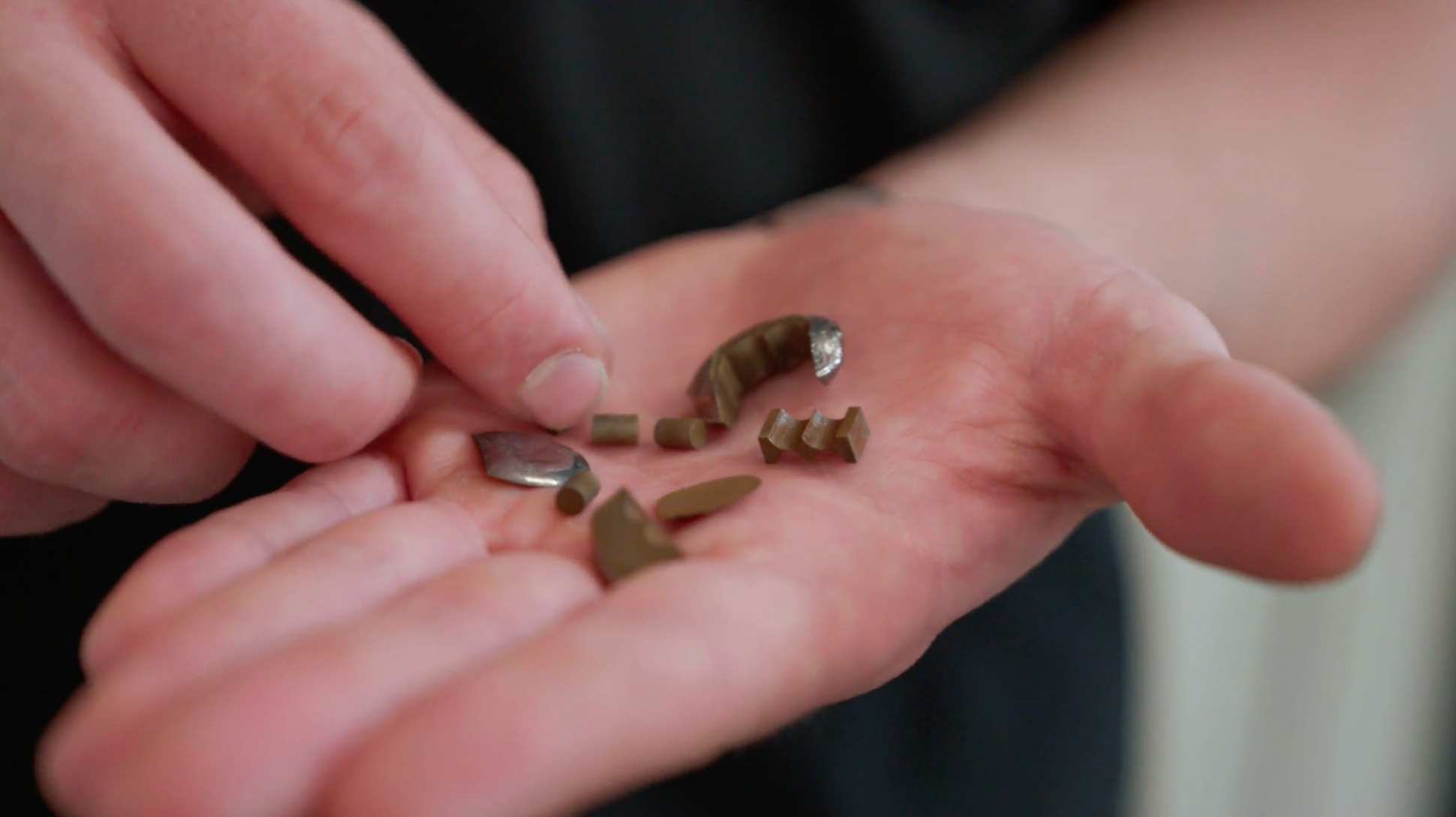
Radical runs every new material it develops through a battery of tests, measuring everything from its strength to its resistance to oxidation. To do that, the company first produces a button-sized sample, then cuts it into tiny pieces, each shaped differently for a specific test.
That process, however, became a crucial bottleneck. Since the buttons are often different sizes, the scientists are forced to cut their samples one at a time, re-configuring the EDM machine for each button. Those adjustments can consume hours that would otherwise be spent conducting experiments.
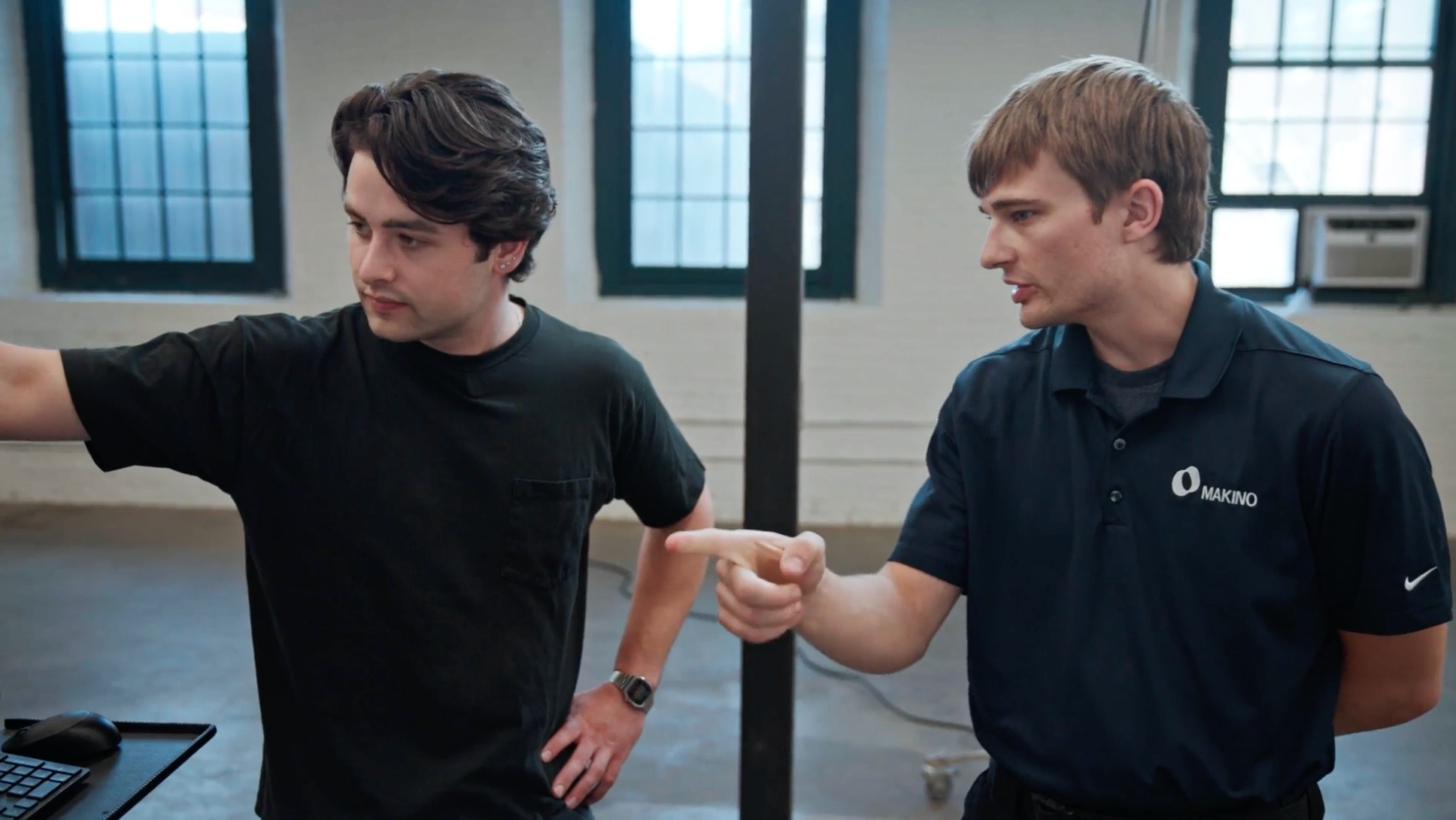
The team wanted to prepare multiple samples simultaneously, all while keeping the resulting test pieces organized. “No existing machine could do this,” said Nathan Kadria, a mechanical engineer at Radical.
The Solution
When choosing a partner for the new tool, Radical considered several options. One EDM machine company estimated the automation would take an entire year to develop. Another sent Radical incorrectly cut test samples.
Makino was different. The team got Radical specs and samples fast.
Kadria and his team then developed a metal insert capable of cutting five samples at once. The insert deposits the resulting pieces into separate baskets to keep them organized for testing. Integrating custom parts into complex machinery usually takes months. Radical had the insert making cuts on delivery day.
Throughout the process, both teams had to balance speed with rigor. “The Radical engineers relied on Makino to give them expertise, but, at the same time, challenged Makino with very thoughtful and detailed questions,” David Lovejoy, a Makino sales engineer, said. “It made us believe they were capable of doing things differently.”
The Future
Labs are full of similar bottlenecks that never get solved: laborious processes that scientists reluctantly accept because solutions take years to develop and money to implement.
But machines should adapt to serve the needs of researchers—not the other way around. Through the partnership between Radical and Makino, engineers compressed the time between idea and creation from years to months.
“We're used to working with more traditional mold makers who just want to do things the way they've always been done,” Lovejoy said. “But the Radical team is always trying to think outside the box, like, how can we do better? How can we make this process better?”
For Radical, the project was about more than saving time in sample preparation: it was proof that scientists can move at the speed of AI, and build a future where material discovery happens as quickly as invention.