Mar 11, 2026


Define, Design, Adapt
Building robust automation by adding flexibility in place of complexity.
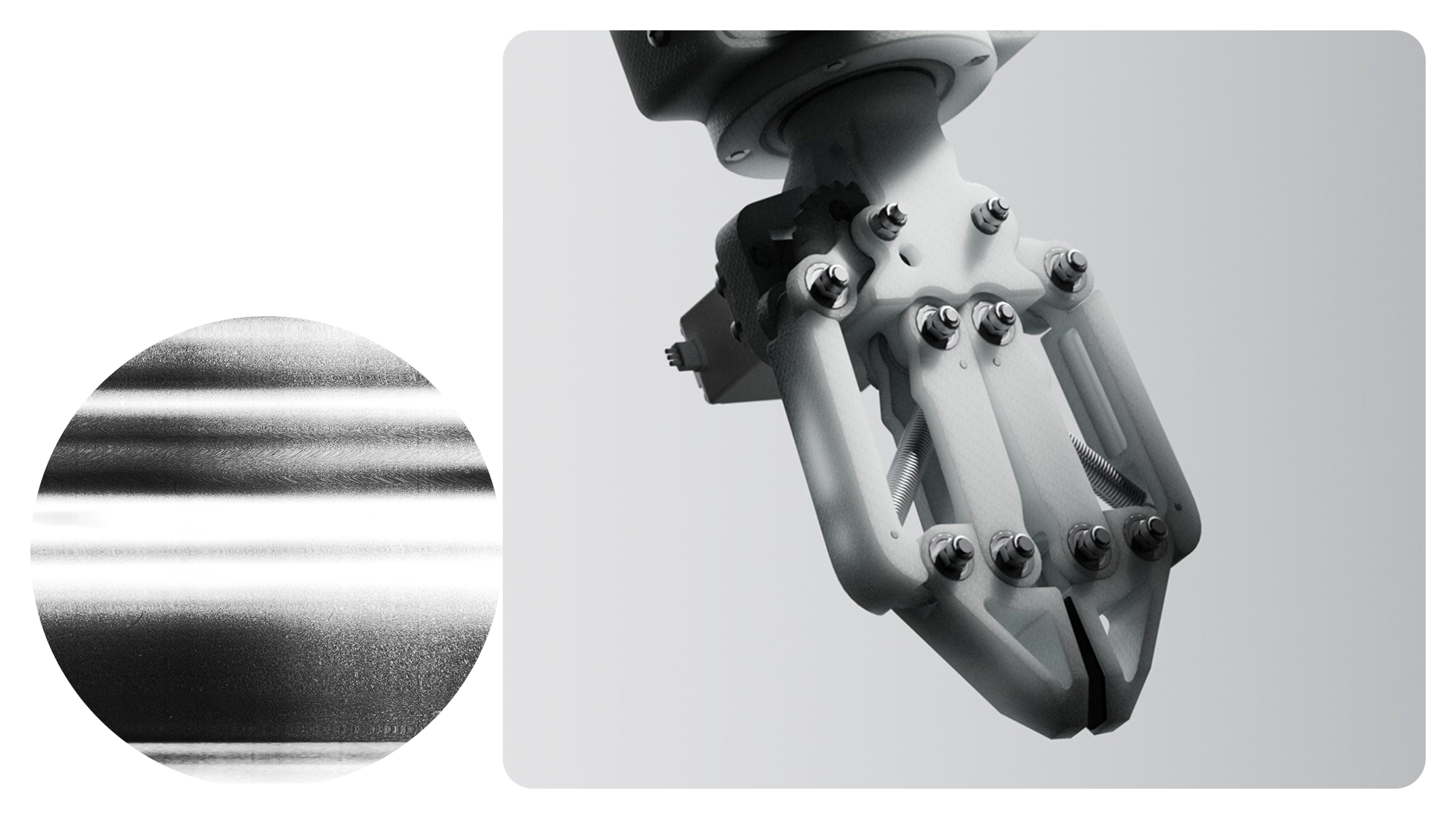
To create anything new, you have to start with a v1. The deep tech and hardware sector is experiencing a significant resurgence, and with that more startup teams are inventing new systems from the ground up. This is a guide to support nimble builders—those who are creating applications more scalable than DIYers but more bespoke than industrial-grade factories.
We’re doing this work every day at Radical, where we’re building an AI-powered materials science engine that can quickly predict which combinations of elements will produce desired sets of characteristics, and creating an autonomous lab to run those experiments.
Matthew Borgatti is one of the mechatronics engineers making that happen. He studied industrial design at RISD and has a background in art fabrication and special-effects animatronics. He specializes in “blue ocean”-style projects—unsolved, unstudied challenges that are approached with research, novel connectivity, custom hardware, and experimentation.
Here, we present a guide for solving automation problems that have varying inputs with mechanisms that adapt to that variability. This involves defining the problem, articulating the constraints, creative flexibility, and iterative prototyping.
Soft Robotics in a Hard Machine
Most mechanical engineers handle complex problems with complex solutions. They add sensing, better control loops, more clever logic. In the robotics world, that means either adding more mechanisms and sensors or solving for increasingly specific parts of the overall whole, sometimes at the cost of the big-picture mission.
Soft robotics takes a different angle: Instead of controlling inputs, you add flexibility to your response.
Nature leans on softness constantly. If you hand a person a weirdly shaped blob of metal and a rough jig, they can visually center it, nudge it into place, compensate on the fly. Goats scale mountains with help from a combination of hooves that automatically orient themselves to limit slip and soft foot pads that conform to irregular surfaces to maximize grip. This passive contact angle optimization and selective compliance are the inspiration for advances in robot locomotion and prosthetics.
Spacesuit: Fashioning Apollo tells the story of how the tension between rigid specificity and organic adaptivity played out at NASA during the development of the space suit.
At one point there were two competing visions: a hard diving‑bell‑style suit with articulated joints, quantified and verified with a series of mathematically defined relationships(proposed by a team of almost all men, all hard‑mechanism thinking) and a tailored fabric‑based garment built by women at the International Latex Corporation (you may be familiar with its Playtex division).
NASA was deeply uncomfortable with the soft suit, not because it didn’t work, but because they didn’t know how to quantify and certify how it worked. A continuous, crafted cloth garment is difficult to simulate or study, let alone validate through the system that qualifies tanks and jets for production. But soft suits had already been successfully designed for high-altitude pilots, and eventually won out in this debate over whether spacesuits ought to be human-shaped spacecrafts or more advanced continuations of pilot flightsuits.
The problems we’re solving in our lab—and that many people in this field will be working on—are not trying to handle every object on Earth, but rather solving for irregularity, randomness, and a lot of unknowns.
In the Soft Robotics book Matthew wrote, one of the core ideas is that you can get remarkably robust behavior by letting compliance handle some of the uncertainty. When things go wrong, graceful failures are far preferable to production-stopping jams.
Case Study: Radical’s Pellet Feeder
As an example of this thinking in practice and a guide for others who hope to implement it, we’ll share an inside look at building the machine that measures out elements for alloying in Radical’s lab.
Our starting point was a piece of off‑the‑shelf equipment from Mettler Toledo, designed for pharma applications dosing ingredients down to the microgram into containers (for example making 20 identical pills for a clinical trial). It’s built for dosing powders, but we needed to make it work for pellets. Working with metals, more surface area means more oxidation, so powder would present noisy data in our alloys experiments. We made the deliberate decision to work against the grain of the machine and engineer our way out of the mismatch.
To state the obvious, powder can flow through small apertures because each grain is tiny. A hole several millimeters across can accommodate hundreds of grains of powder flowing through side by side. Feeding, dispensing, and separating mechanisms have a fundamental unit of scale that’s based on the size of the individual object being handled. If you want to dose out a single pellet at a time, you’re going to struggle to design a system that’s smaller than a single pellet. All of the interfaces, geometries, and error cases in the Mettler Toledo system are built around the scale of powders.
Our metal pellets are thousands of times larger than a powder grain, irregularly shaped, and manufactured to roughly similar specs rather than tight international standards like you’d have for something like a screw.
Inside the limited space the Mettler Toledo gives us, we designed a soft auger—the part that actually grabs each pellet to dispense it. The key behavior we wanted was this:
- If it tries to grab one pellet, it should carry it forward.
- If it accidentally grabs two, it should fail gracefully instead of jamming.
With a rigid mechanism, that’s hard; inside the available space it’s impossible to guarantee there will never be a situation where a pellet lands in the perfectly wrong plate and locks the whole system. With a bit of softness, we can let the system “roll over” bad configurations.
In practice, the auger behaves a bit like those puzzle dog feeders where the dog has to spin or nudge things to get kibble out. Our pellets are jumbled at the top. The auger stirs and probes. When it catches a single pellet cleanly, that pellet moves into the dosing path. When it hits a weird cluster—two stuck together, or something hung up on an edge—the soft element simply deforms and slips past, letting the cluster fall back into the pool so it can try again.
Instead of a brittle system that needs everything perfectly lined up, we get one that can interact with a messy, random arrangement and keep making progress.
Getting There: Technology Roadmaps and the Route to Technical Readiness
Discovery begins with defining the right questions.
At NASA, this is called the Technology Roadmap. Long-term goals (e.g. getting humans beyond this solar system) can only be reached via the structural support of defined questions and unsolved problems (like “How will humans survive all the radiation on Mars?”).

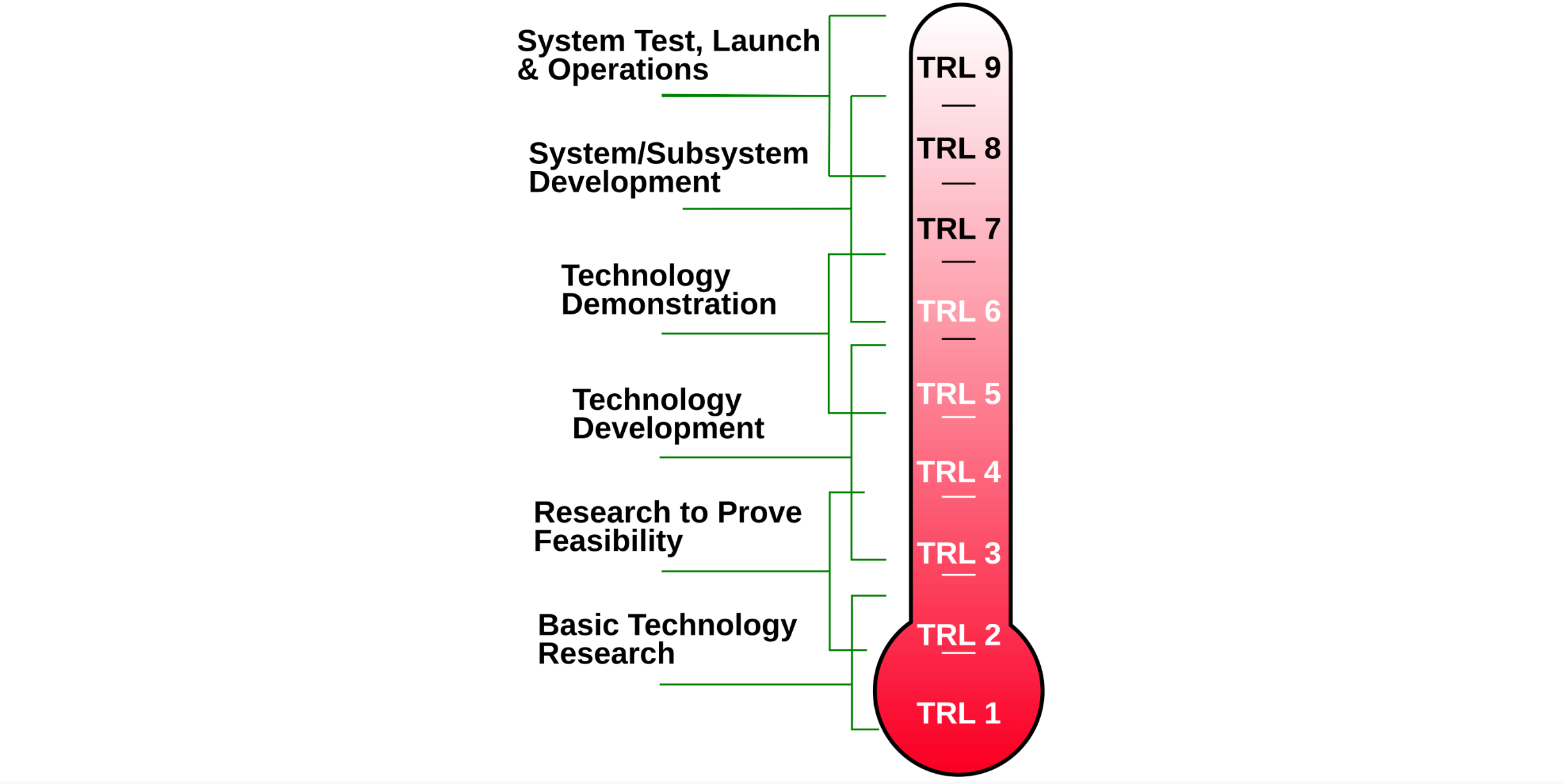
Enumerating all those open questions, closing them one by one, and building technology that addresses the knowledge is what ultimately helps move projects up the TRL (Technology Readiness Level) scale—a 1-9 ranking from “somebody wrote this idea down once” toward “you can buy this as a product and trust it.”
At a startup, that architecture is also valuable in terms of institutional intelligence: We need to keep quickly getting better at what we do instead of fixing the same problems over and over again. Good questions are an essential starting point.
How Applying Design Questions and Oblique Strategies Got Us to This Approach
So with that in mind, the automation team would never want to start a project like this saying “what’s the equation for this?” Instead, they asked questions like:
- What is a pellet, statistically and mechanically?
- What do the pellets want to do when you pour them, funnel them, stir them?
- What kind of error are we seeing right now, and what family does it belong to?
- Where are the real, nature‑imposed walls on this system? What’s actually impossible vs. merely awkward?
- How can we let the pellets be themselves, instead of over‑constraining them and creating friction everywhere?
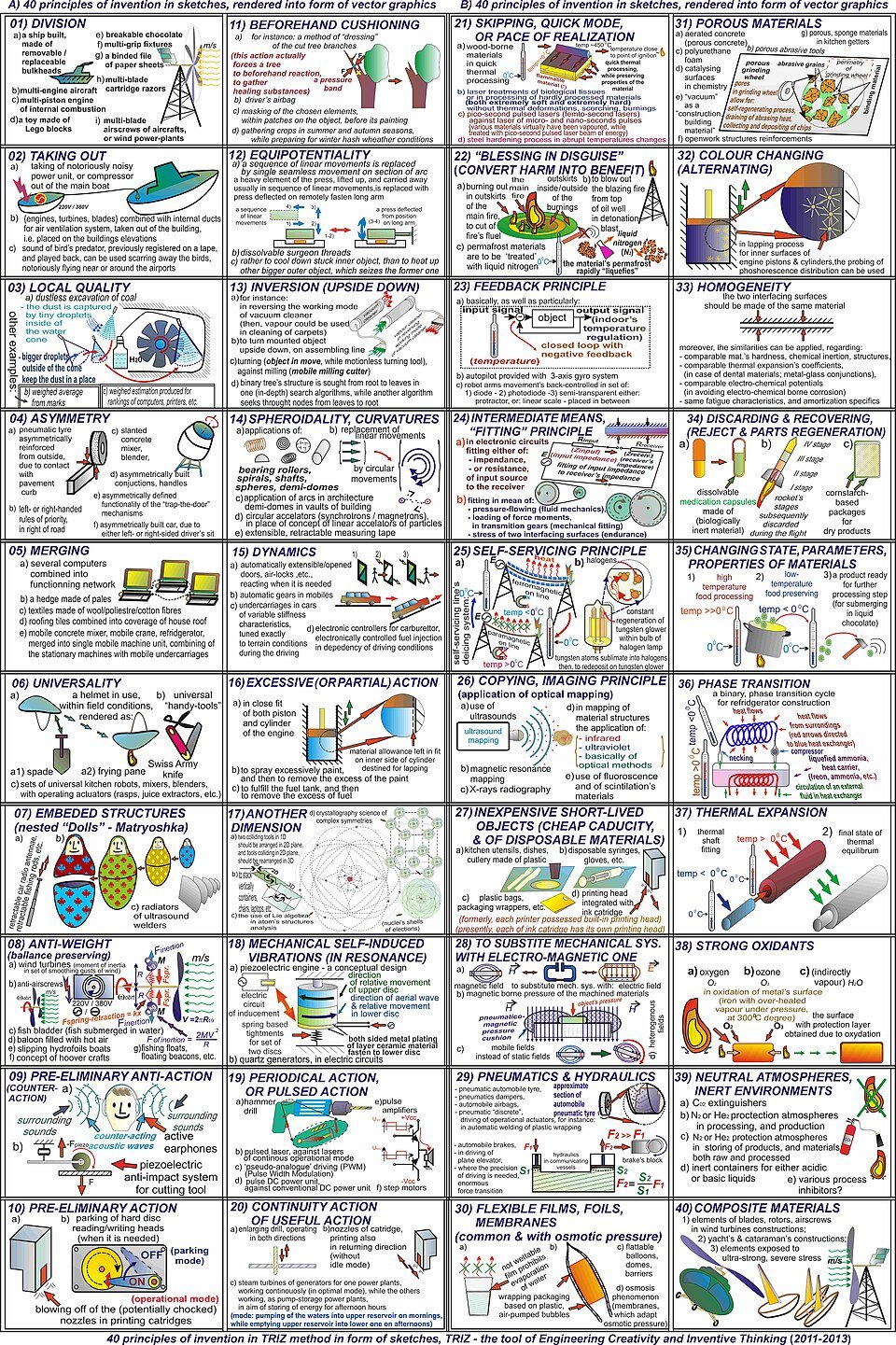
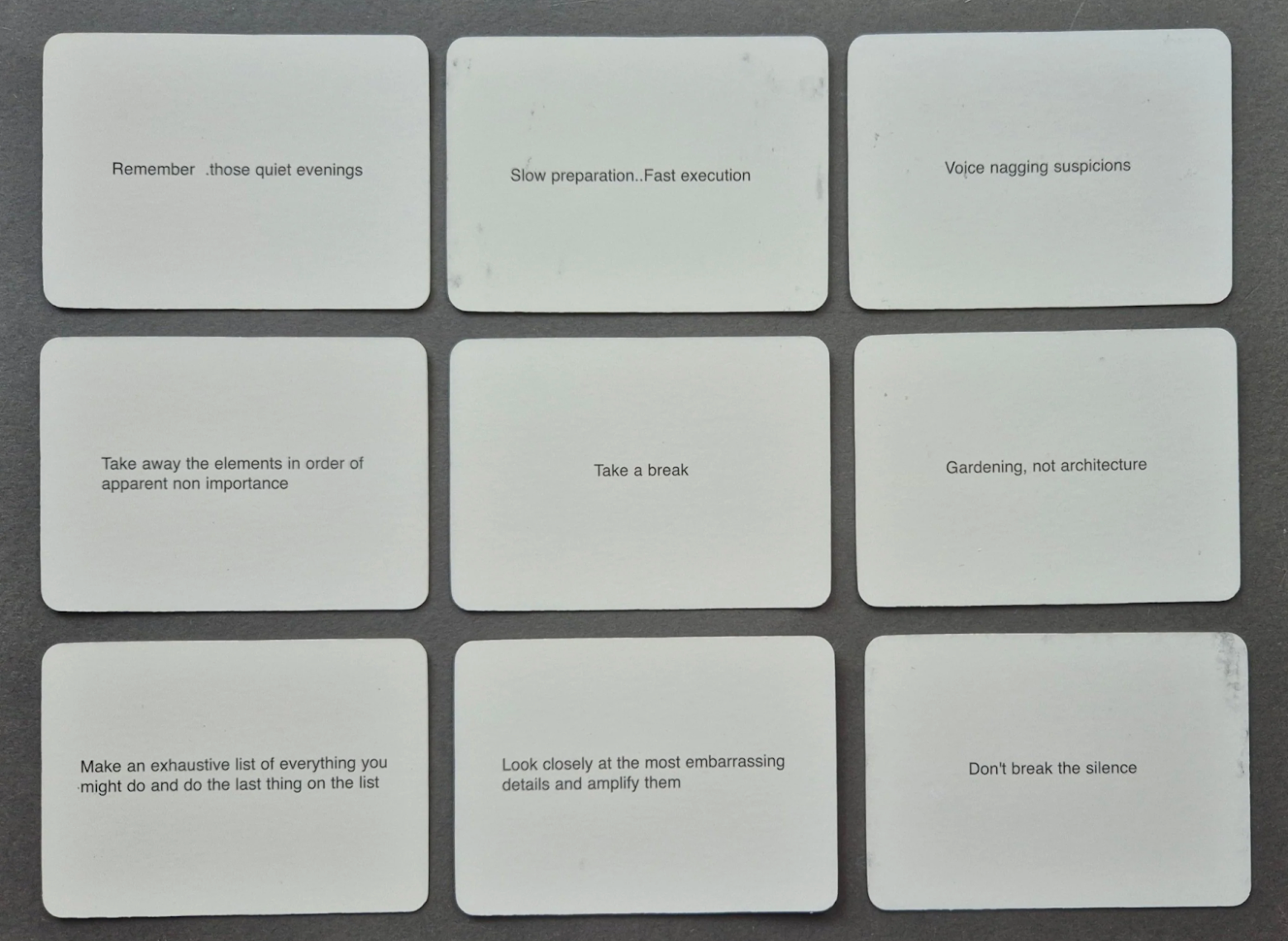
This style of thinking is a kind of oblique strategy for engineers. There isn’t a reference design we can adapt for our purposes. The problem we’re facing (dispensing somewhat irregular pellets under tight space constraints) doesn’t have an off-the-shelf solution. When you’re faced with a problem that has no demonstrated solution you risk spending extensive time pursuing different unproductive avenues of research until you hit upon a workable solution. To eliminate this unknowability you need to abstract the problem until you can find working solutions to all the elements in the abstract and then condense them into your own design. There’s a formal method called TRIZ that offers structured ways to re‑frame and solve problems: Pose yourself different questions, change the abstraction level, look for analogies in other fields.
The process generates artifacts along the way: sketches of mechanisms, 3D‑printed mockups, short videos of early prototypes doing dumb things. There is a whole trail of “failed” parts that are actually evidence of learning and improvement, and are shared in later sections here.
Questions Become Constraints; Constraints Become Solutions
The questions we ask eventually translate into constraint pillars. Industrial designers love constraints. Each constraint closes the door on a thousand irrelevant avenues. This allows you to identify your knowns, suggests experiments for answering your unknowns, and charts the course from where you are now to the end state where the problem is solved.
What are pellets? You can pour them through your hands and get a feel for them, but in the precise, mechanical sense, it’s valuable to understand the range of dimensions and shapes that might be in any given bin of pellets from our supplier.
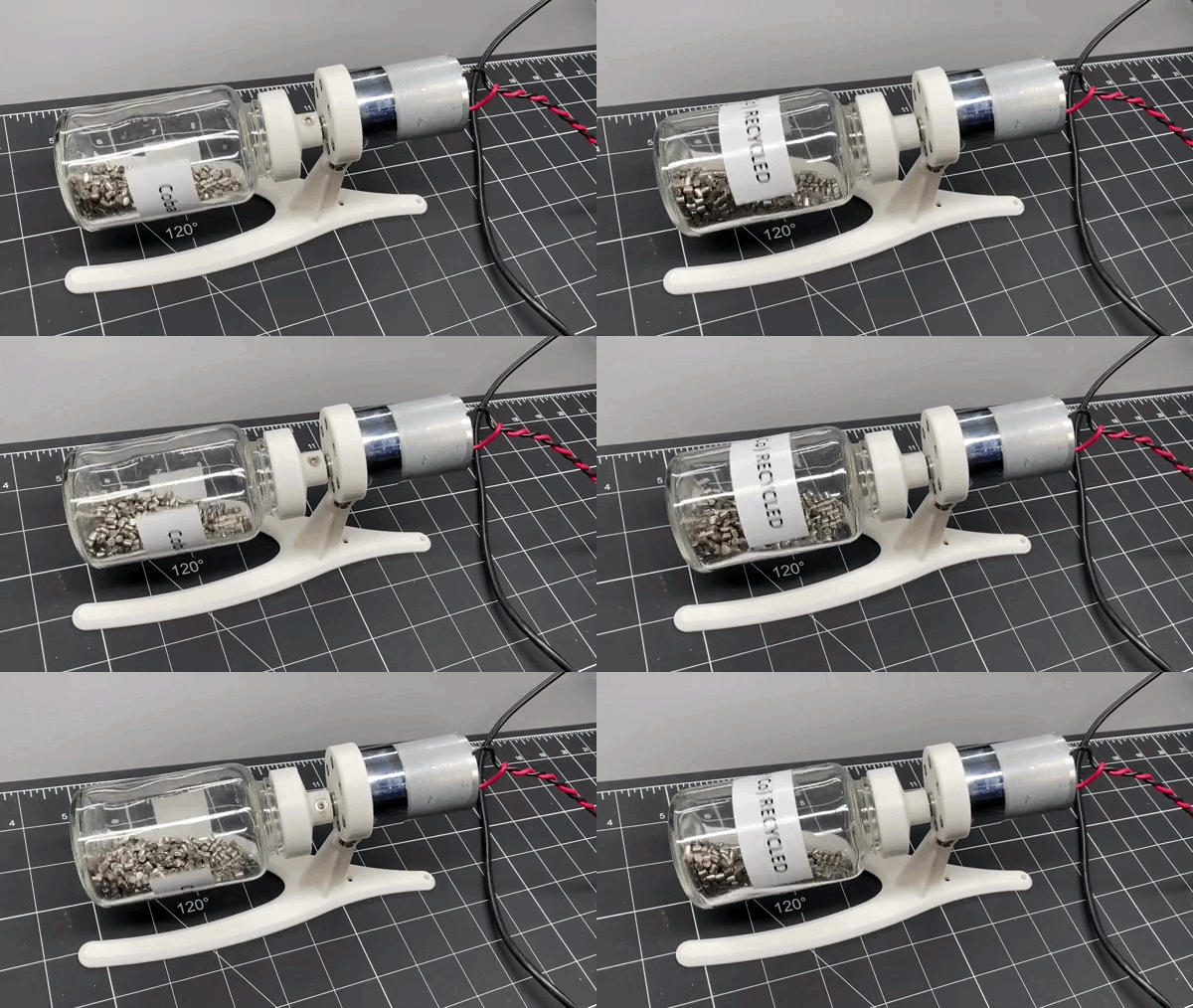
There isn’t a single global standard everyone conforms to. Two pellet manufacturers making “the same” spec will still give you slightly different distributions.
So the team built a histogram, like the Photoshop graph of how many pixels fall into each brightness bucket.
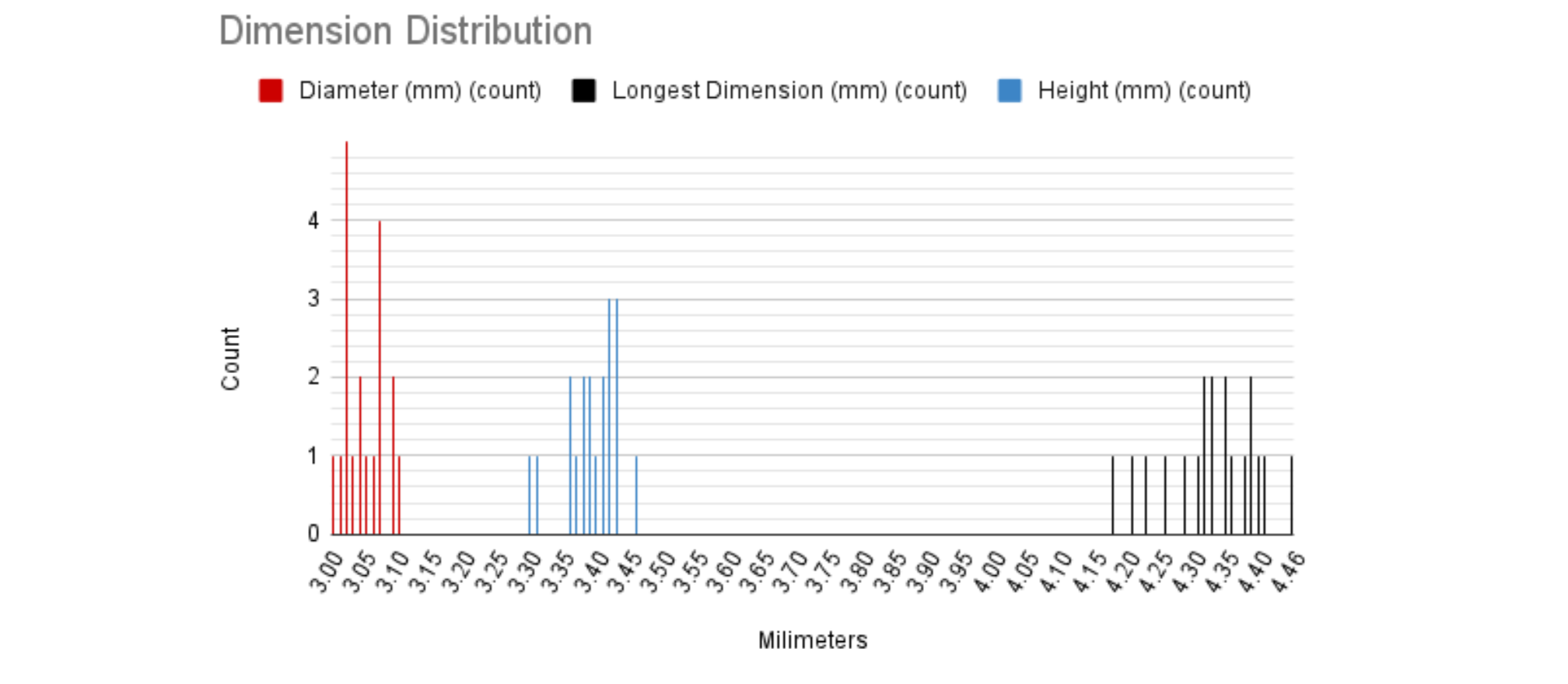
The result is a profile of what “a pellet” actually means for a given input stream. Once you know that, you can start to answer questions like:
- How big do clearances need to be so the smallest pellet doesn’t fall straight through and the largest doesn’t jam?
- How much softness or compliance do I need in the mechanism if I can’t count on perfect uniformity?
- Where can I safely add friction or constraint without creating a new failure mode?
Name the Shape of Failure
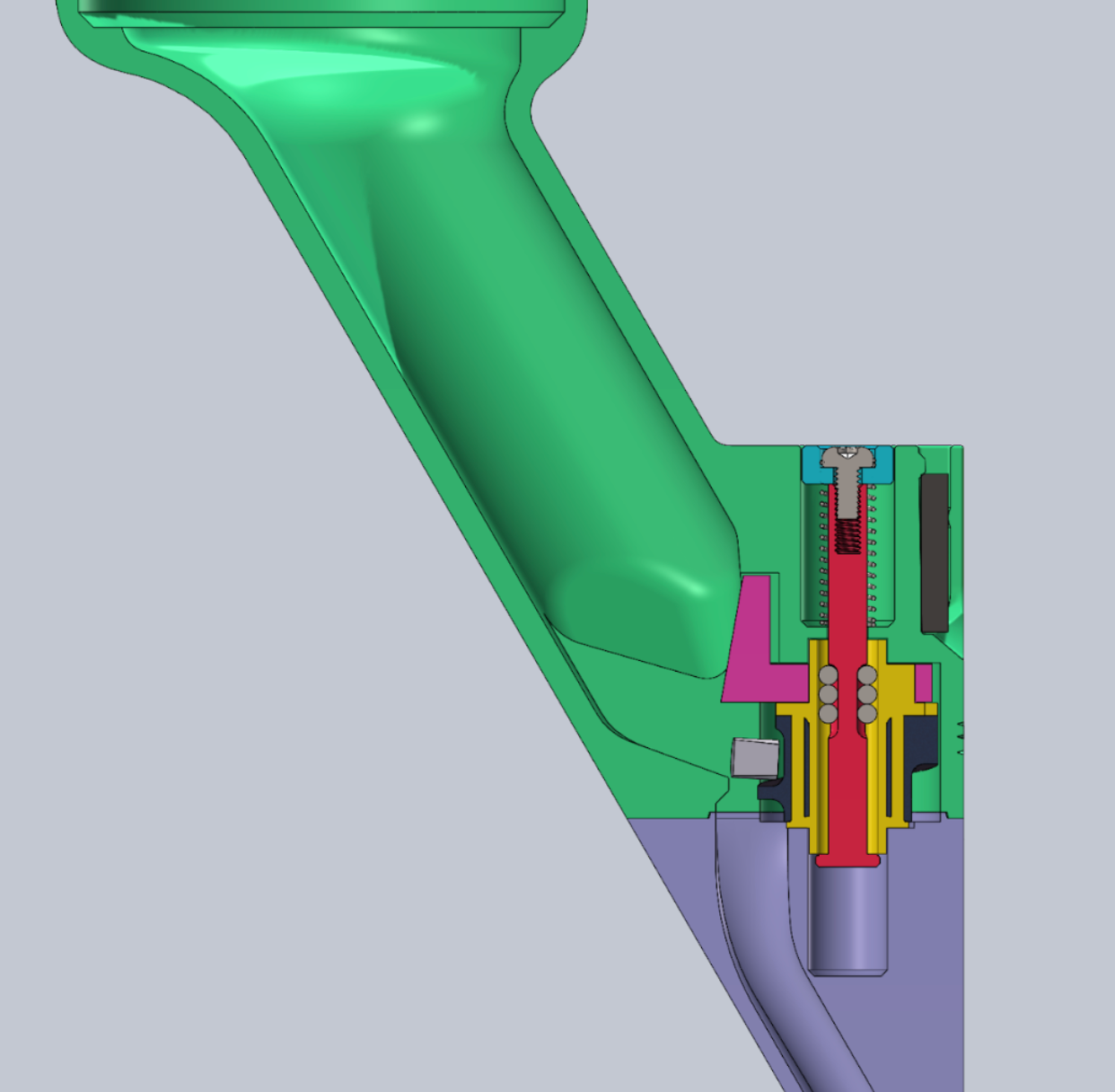
The Mettler Toledo system offers a very small space to work in. There’s a tiny T6 driver (like a screwdriver) that turns to drive the dispenser head that has been inserted into the scale. All of the mechanisms need to fit in the ~40mm vertical space between the driver and the top of the scale's inlet and the ~18mm horizontal space between its mechanical interlocks.
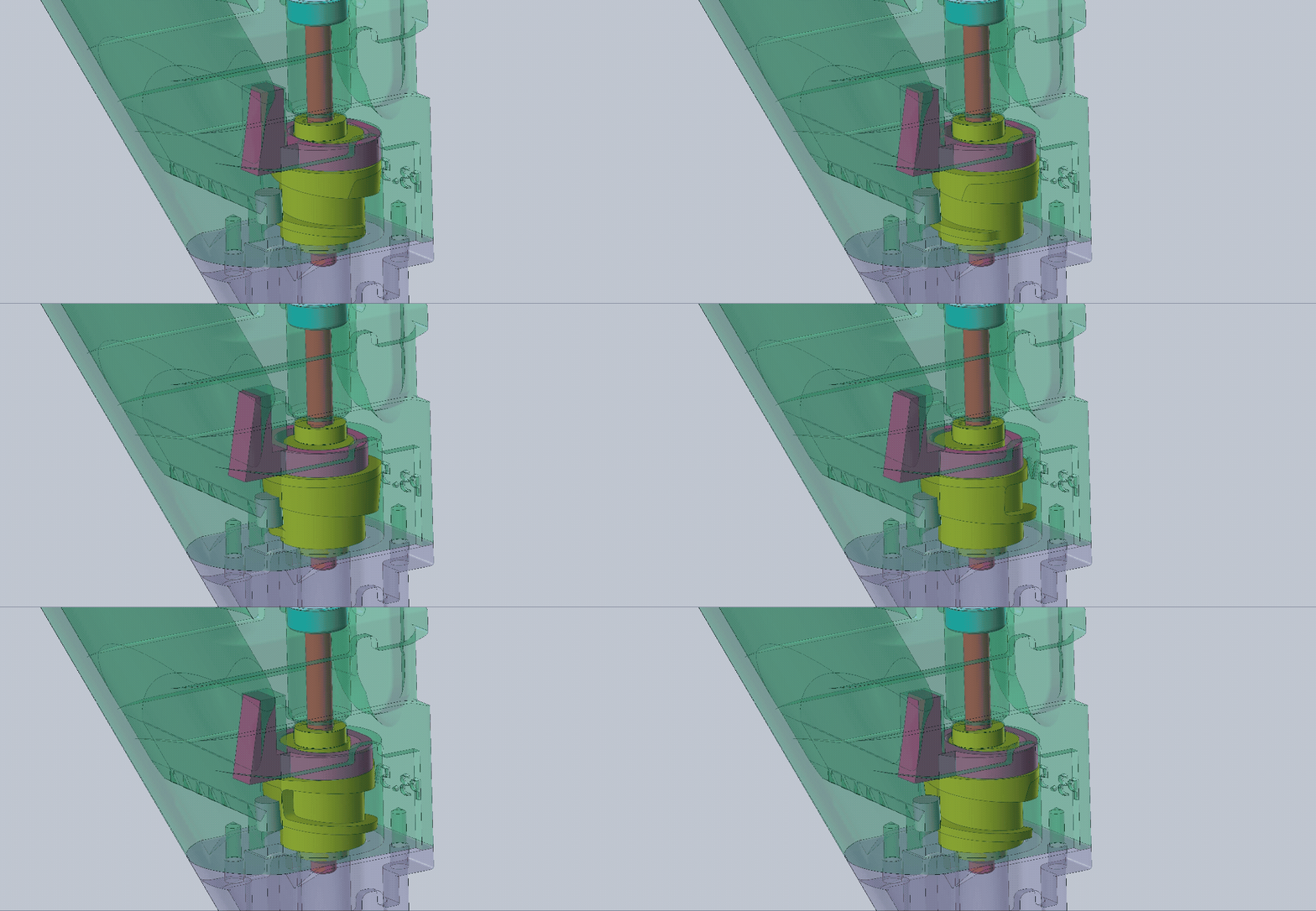
If you’ve ever poured grain or sand into a funnel and had it form a structural arch that stops it from flowing, you’ve seen a grain bridge. The same phenomenon shows up in pellet feeders: With the wrong geometry, a set of pellets will arrange themselves into a self‑supporting vault and refuse to move.
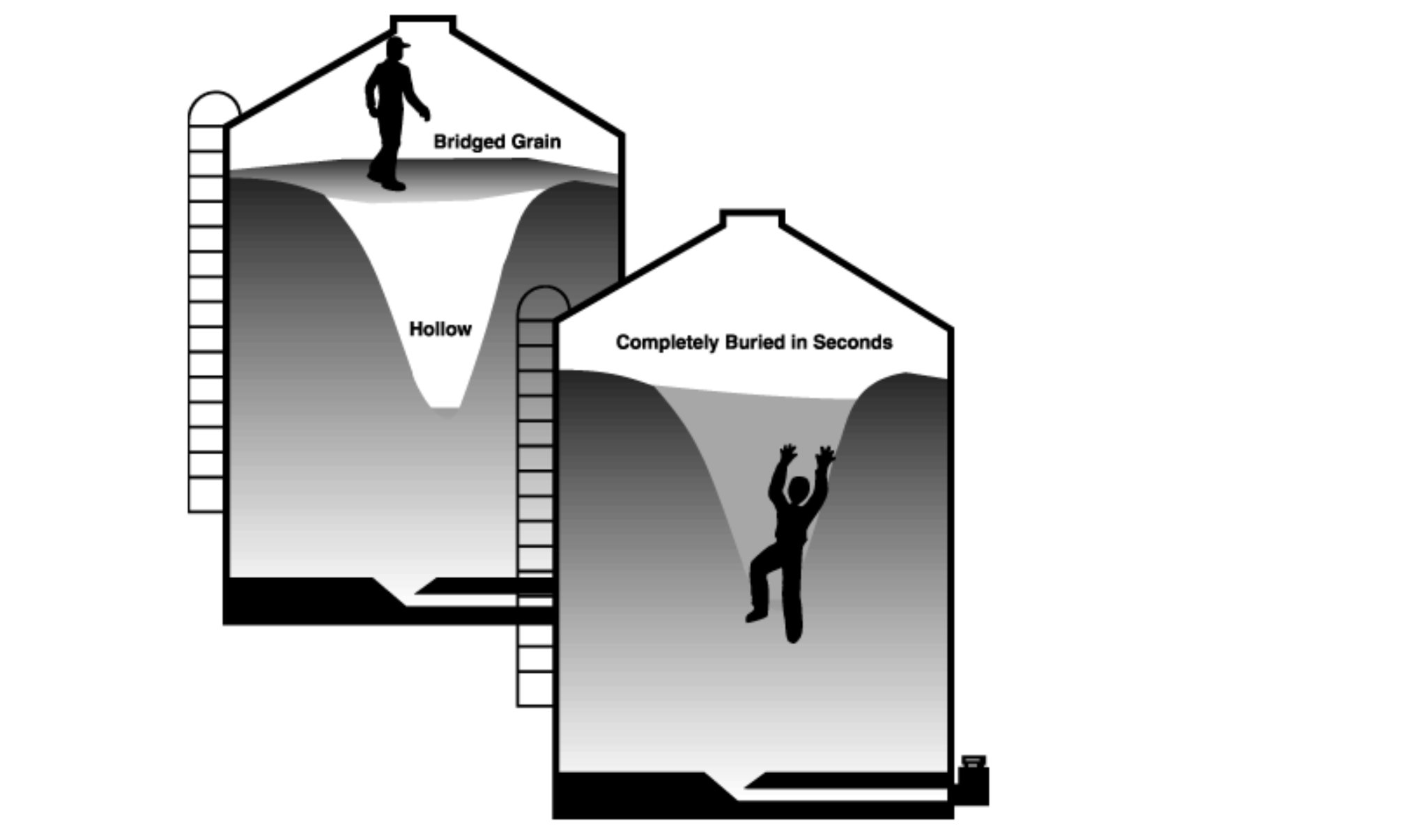
So after defining pellets in the abstract, the next step was to define the shape of problems they create.
So the team named the failures, developing an in‑house taxonomy for jam types and error modes: situations where pellets bridge, where they rattle but won’t fall, where they feed as doubles, and so on. Each label created a category for new observations. If two ugly behaviors end up in the same bucket, they might share a solution. If not, you probably need a new bucket—and eventually, a different design intervention.
| Error Type | Recovery Method | Detection Method | Urgency (1-5) | Description |
|---|---|---|---|---|
| Shingling | Shake Dispenser | MT Timeout Error | 3 | Formation of a vault/void/structural arch that suspends pellets above the objective and prevents them from flowing down into the target |
| Double Feeding | None | None | 1 | Dispensing of 2 pellets at a time (usually due to the auger mechanism rolling over and allowing an otherwise jamming pair of pellets to flow down through the exit chute) |
| Mechanical Jamming (Auger) | None | MT Blockage Error | 5 | Collision between the auger, upper chute, and a pellet such that the pellet can not move and seizes the mechanism |
| Mechanical Jamming (Pusher) | None | MT Blockage Error | 5 | Collision between the pusher (cam follower), upper chute, and a pellet such that the pellet can not move and seizes the mechanism |
| Subduction | None | MT Blockage Error | 5 | Entrainment of a pellet from the upper chute into the auger housing (either causing a mechanical jam or damaging the auger) |
Entrainment of a pellet from the upper chute into the auger housing (either causing a mechanical jam or damaging the auger)
That kind of language is how you build a mental model of the system. Instead of “it jammed again,” you can say “we’ve got a grain‑bridge type jam here,” and everyone knows which part of the geometry is implicated and which levers we can pull.
Prototyping
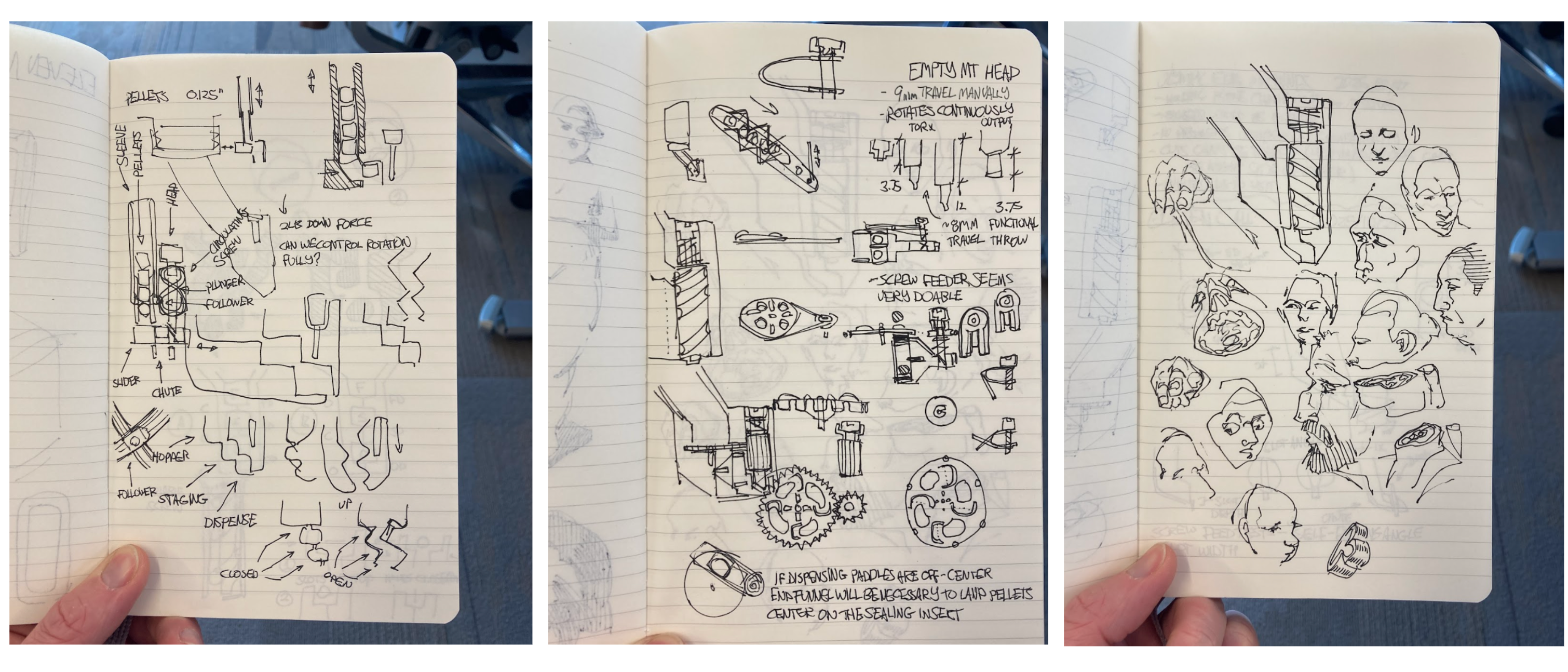
All along the way, iterative prototyping moved the learnings along. This started with lots of sketches for how the dispenser might work. In these examples, you can see a number of alternatives that were abandoned because they required one-pellet-at-a-time movement. Research like the histogram revealed that there was just too much variability in pellet shapes and sizes, and ultimately underscored the importance of the screw option, which doesn’t require a clear distinction between where one pellet stops and the next begins.
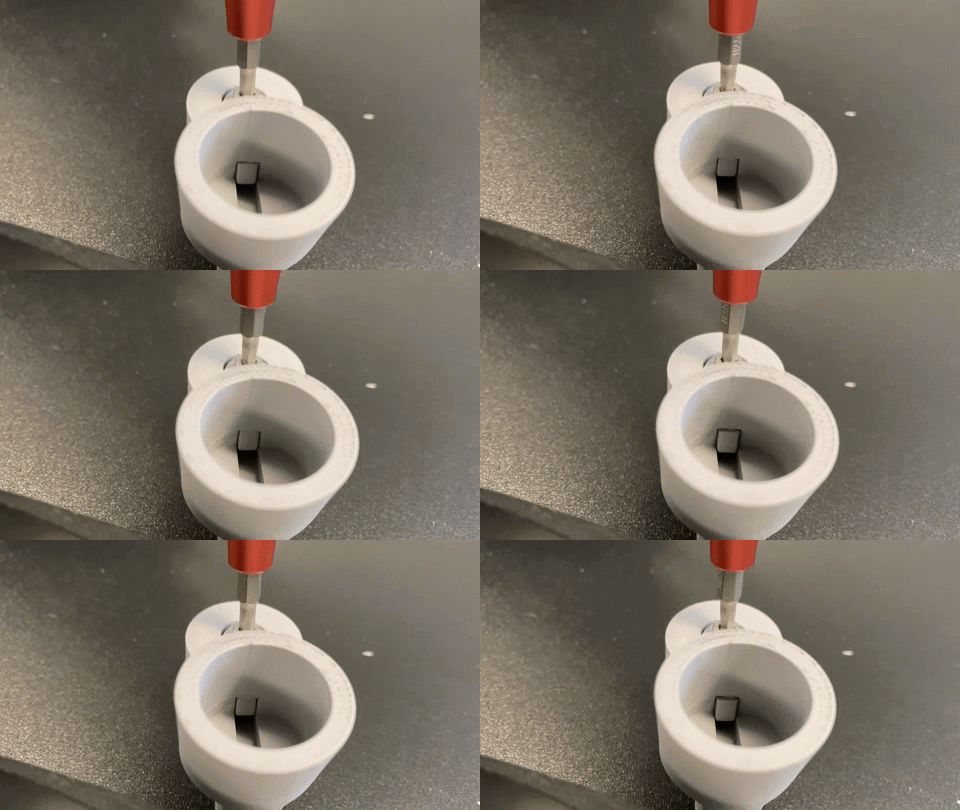
The next step was to 3D-print the most rudimentary version of the mechanism to test for general plausibility. If you can make it work early, you can make it work better. Again, it’s very important that this is a low-fi and inexpensive build. If you have high upfront costs to test the idea, you’re already behind.
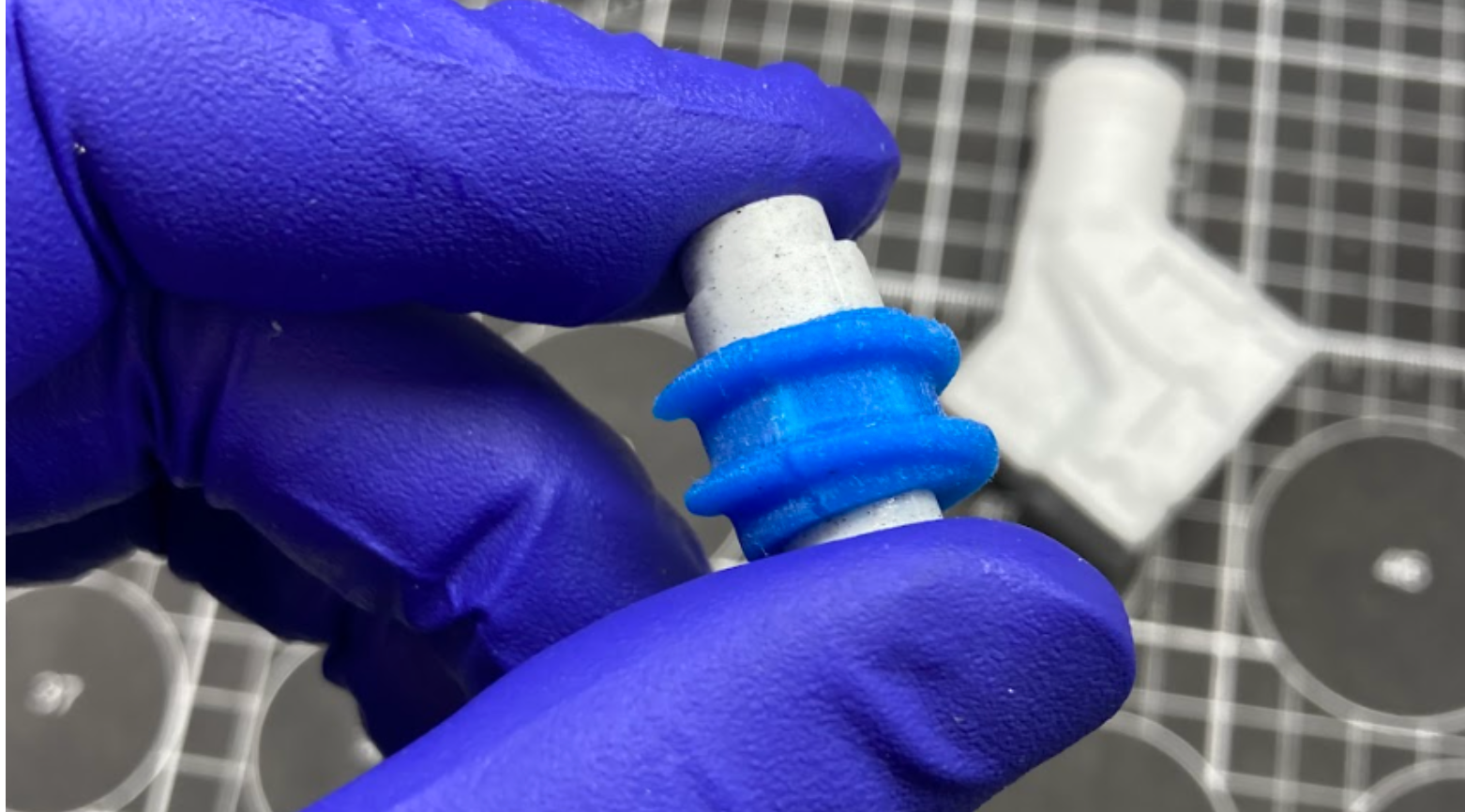
This prototype gave a rough sense of the envelope the rest of the solution needed to fit within, and molded silicone was the first prototype of the screw mechanism. It proved too wiggly for this application.
Usually when something isn’t working, complexity gets layered in, but with such a constrained space, it was important to only introduce as much as was absolutely needed.
At this point, there were further amendments we could have tried to build in house, but we would have been up against the imperfections of 3D printing—you can’t trust holes will be perfectly round and perfectly straight.
It was time to dial up the resolution on the prototyping process, so Matthew went to a company called City Casting he knew from his work with Jeff Koons. It’s a Times Square shop minutes from Radical Ai HQ that specializes in metal casting for the jewelry industry. They were able to produce stainless steel castings from high resolution wax 3d prints. This allowed us to reduce the size of our mechanical features and increase the strength of our components so we could endure longer testing cycles as the design became more reliable.
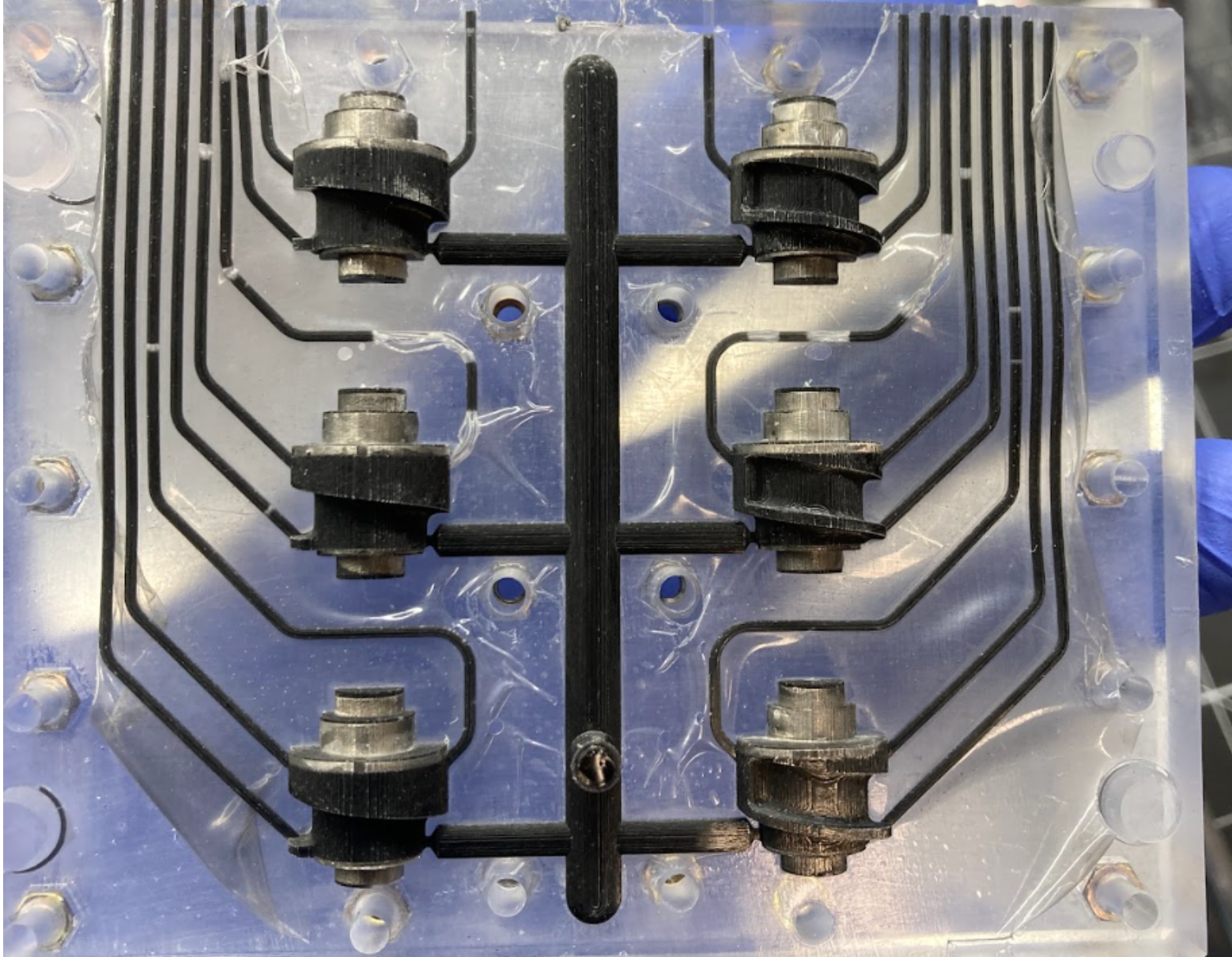
Even still, a jewelry manufacturer isn’t optimized to make perfectly accurate mechanical parts, so instead of trying to get them to become mechanical experts or turning to an even more specialized manufacturer, we adapted our design to tolerate minor imperfections. Instead of turning the auger with a keyway shaft, which would be less tolerant of variances, we put in a ball spline to reduce friction and lower the chances of jamming as the Mettler Toledo drives the mechanism.
Why the Solution Matters, and How We Might Someday Rewrite It
Now, this dispensing system is a valuable part of our lab, enabling a process that a human once had to oversee and ultimately allowing for a closed-loop system that can get smarter and work better the more processes it runs and data it collects.
Our solution is somewhat specific to us; it’s a bespoke R&D tool custom-built from equipment never meant for mass production. We’re in experimentation mode, doing lean research modifying machinery and learning as quickly as we can along the way. With that, we also will need to decide when to keep carrying technical debt forward and when to make a clean break and start over with certain components.
The pellet feeder sits right at that line—someday we might find or build something that is fundamentally designed for the purpose we apply it to, but in the meantime, we’ve learned a ton about handling irregular solids autonomously, where to apply softness, and how to build robust, forgiving mechanisms. That knowledge is definitely applicable across other parts of our machinery.
Most factories hate single points of failure and want to standardize as many parts across the system as possible. We’re currently trading some of that reliability for capability: prioritizing early results, exploring these blue‑water gaps, and finding out what happens when you bring art‑school design thinking, machining, and soft robotics into a lab that’s trying to automate the physical world for AI. This temporary tradeoff is also what will drive a whole wave of creative new automations throughout the industry. If we don’t try and learn new things, we can’t move forward.
Our hope is that sharing this process—the questions we asked, the dead ends we hit, the ways softness bailed us out—gives other people working at the intersection of AI and hardware a few new tools to think with, too.
Further Reading
Soft Robotics, Matthew Borgatti, Kari Love
Spacesuit: Fashioning Apollo, Nicholas de Monchaux
The Demon-Haunted World: Science as a Candle in the Dark, Ann Druyan and Carl Sagan
Mister Feynman Goes to Washington, Richard Feynman
Designing Freedom, Stafford Beer